
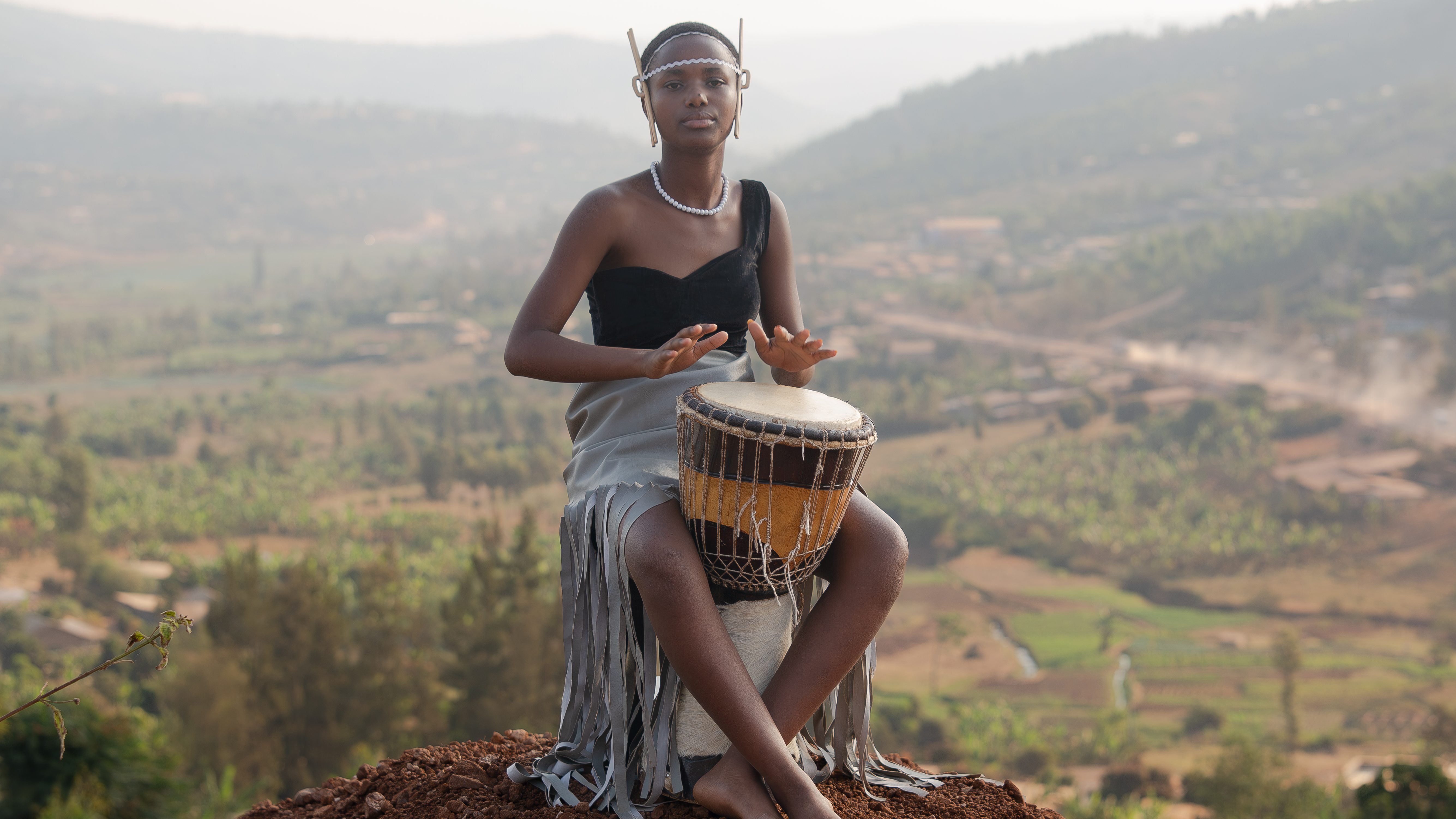
Visualising Peace is a youth-led collaborative, creative project in Rwanda. During the project, young people used creative exercises and participatory filmmaking to investigate and share their experiences of mental health, while also influencing change. The project was led by Tom Martin (University of Lincoln) in collaboration with the Kwetu Film Institute (KFI) and Uyisenga Ni Imanzi (UNM), as part of the wider Mobile Arts for Peace (MAP) programme, funded by the UK Research and Innovation (UKRI) Global Challenges Research Fund (GCRF).
Globally, young people face challenges to maintaining positive mental health. In Rwanda, many are still affected by the legacy of the 1994 genocide, while issues such as family conflict, pressure in schools, and life on the streets continue to impact their wellbeing. National programmes are making progress, but stigma and silence around mental health remain strong.
Before Visualising Peace, MAP and UNM had already worked with young people across Rwanda to co-create 11 policy briefs on youth mental health. These briefs put young people’s priorities on the agenda for policymakers. Visualising Peace built on that work by turning the issues from those briefs into films — bringing the voices and experiences of young people vividly to life.
The Process:
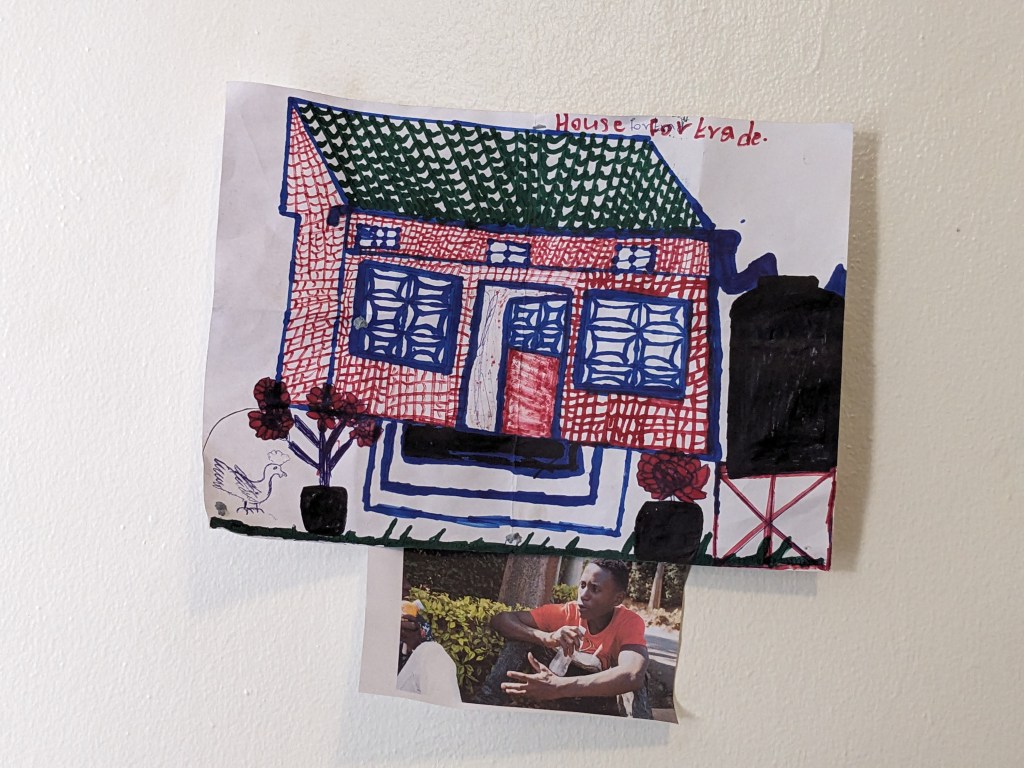
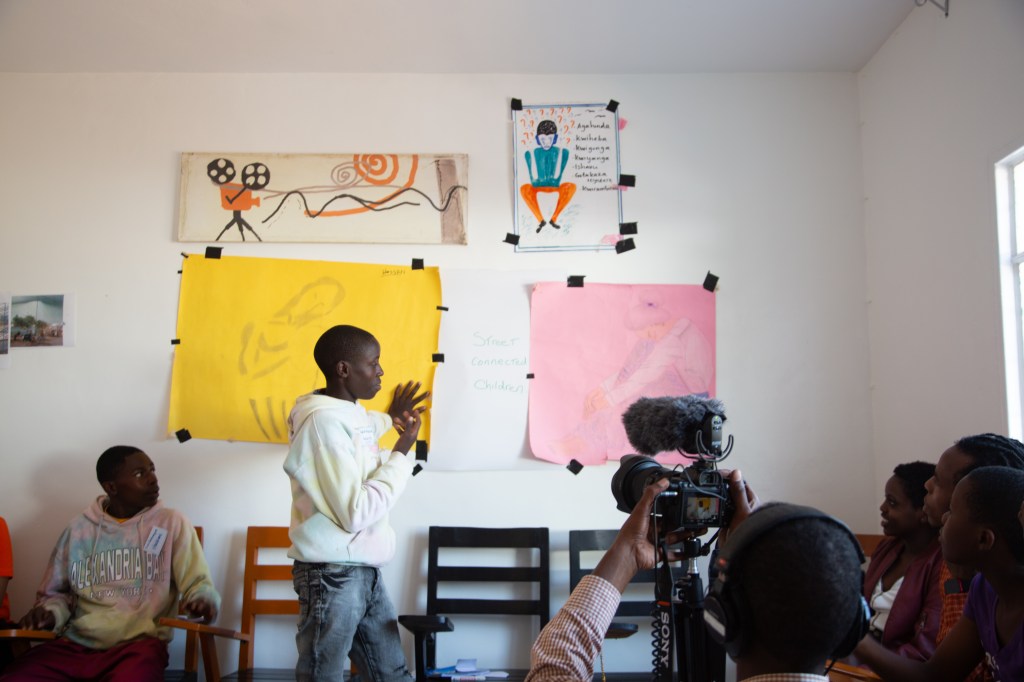
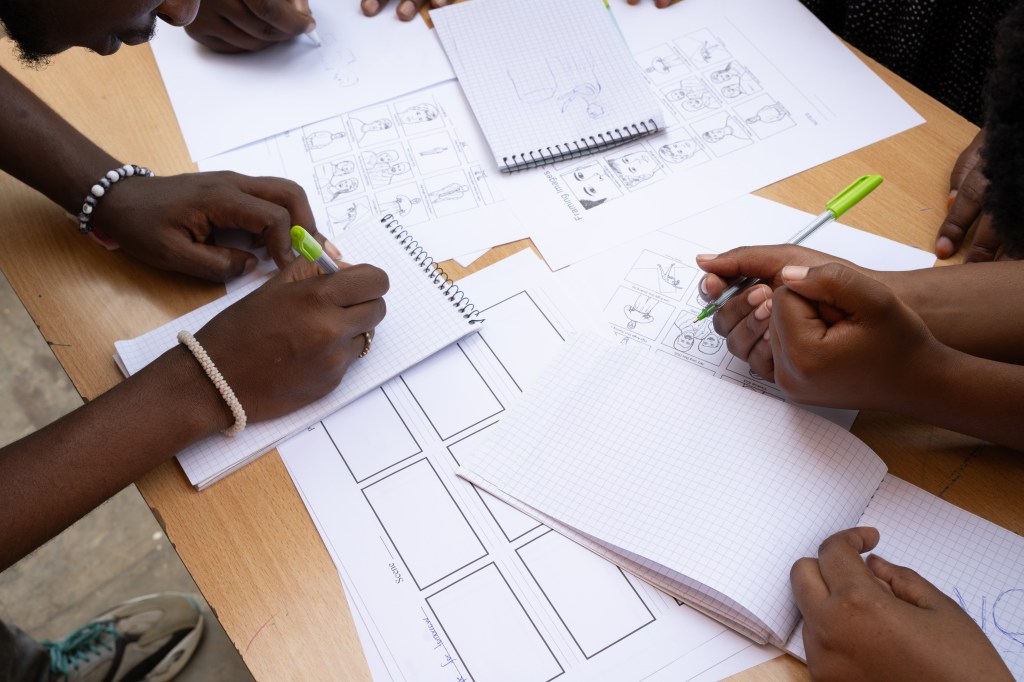
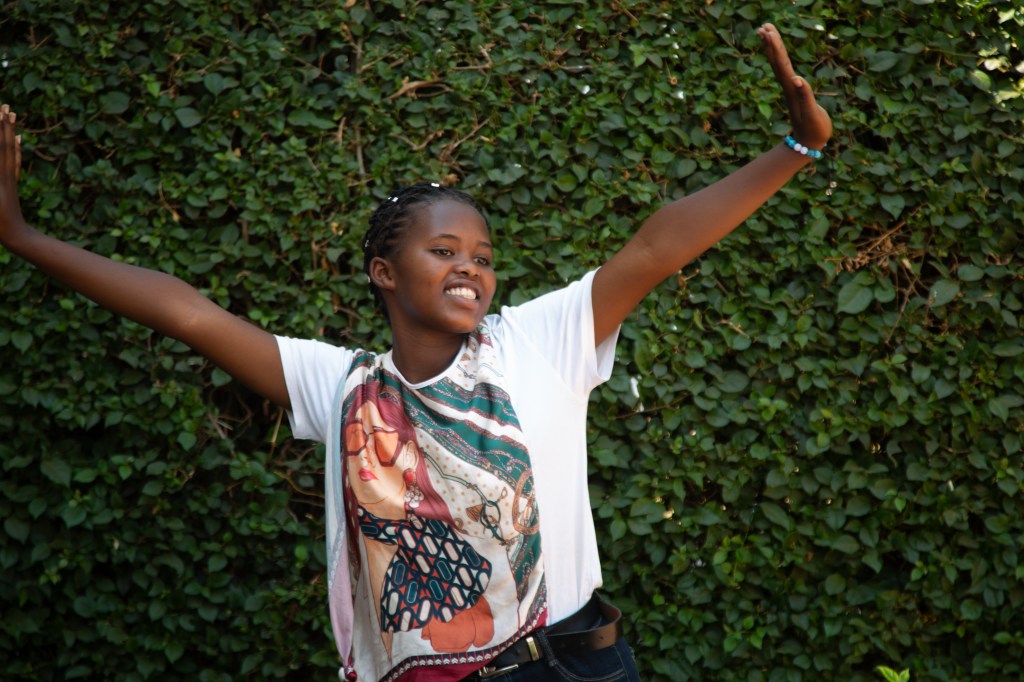
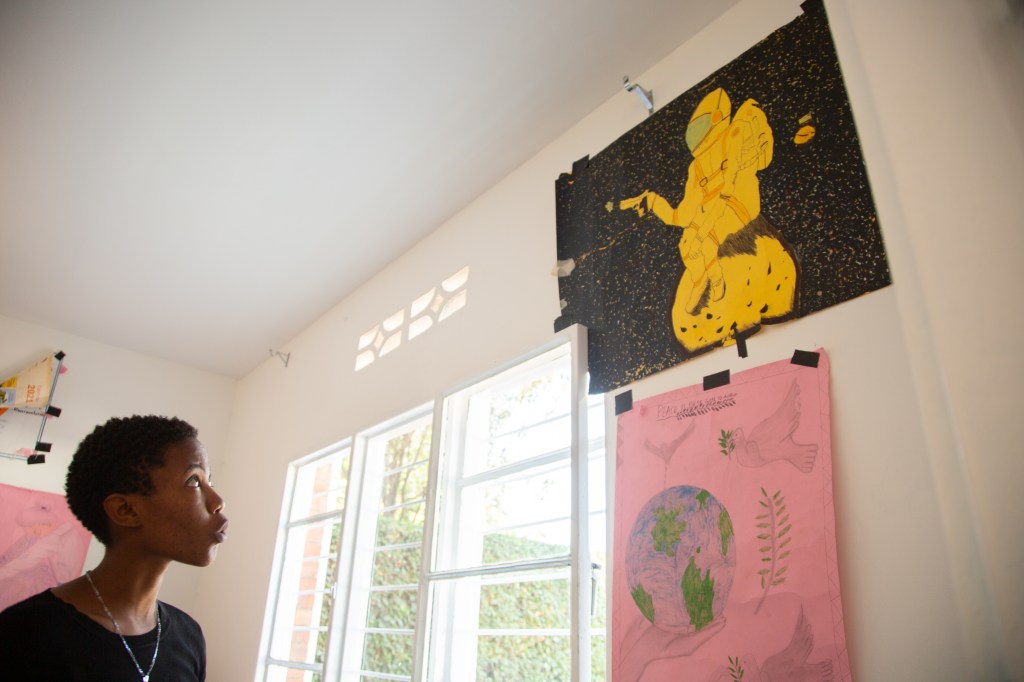
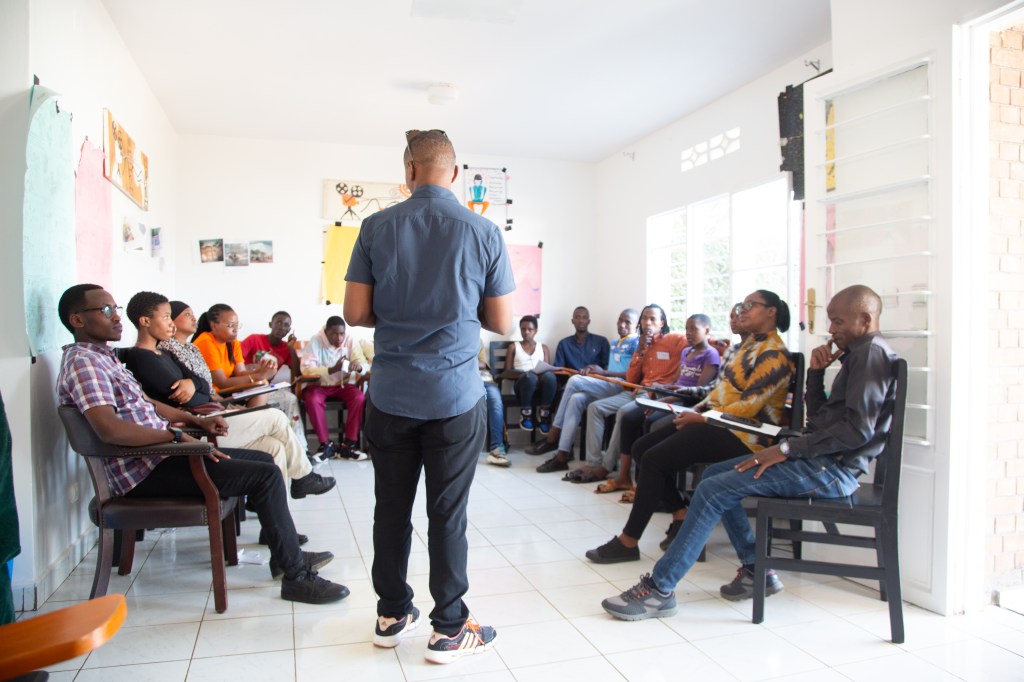
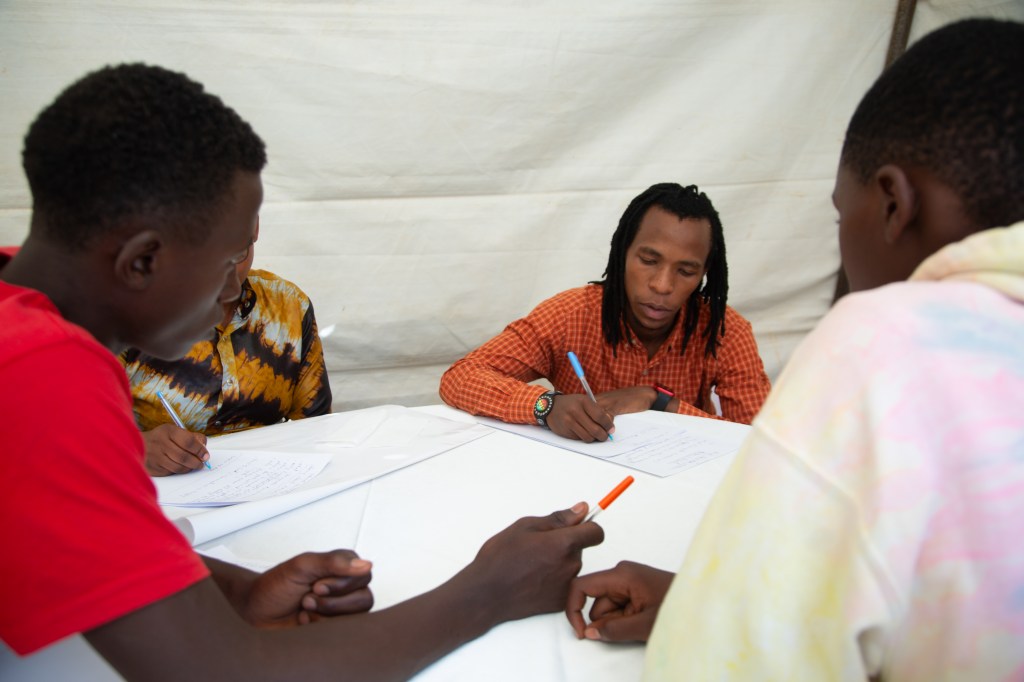
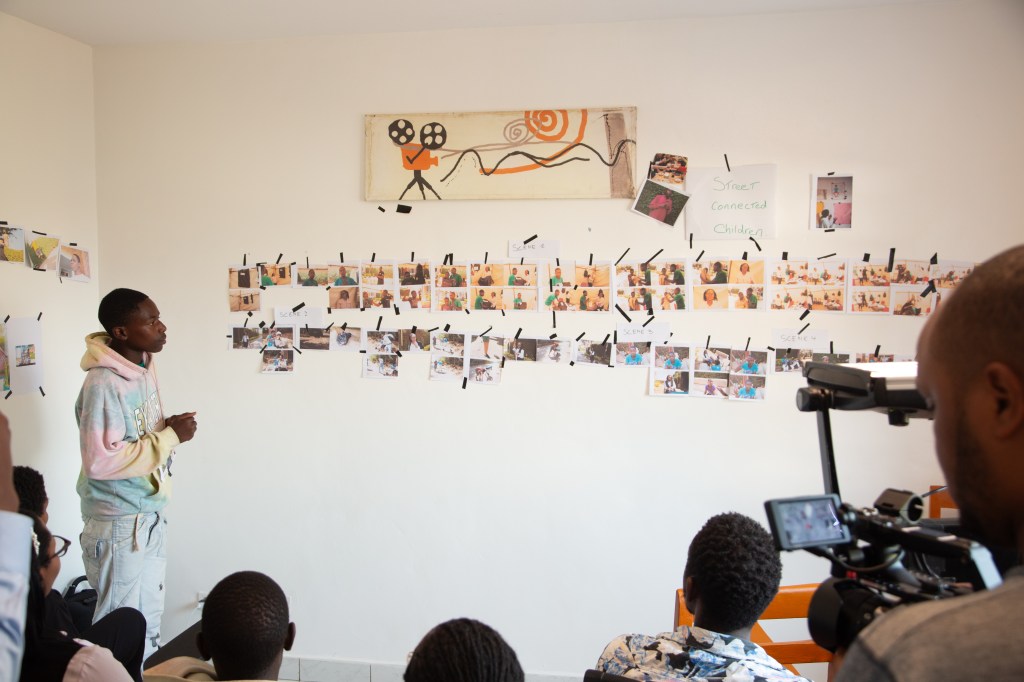
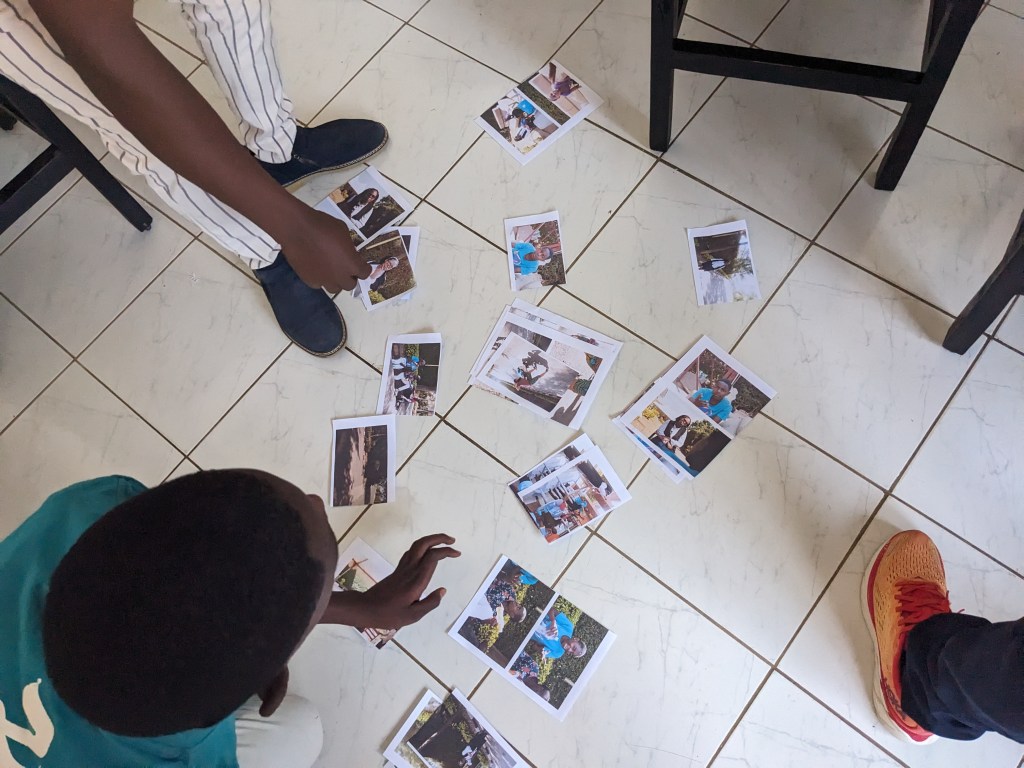
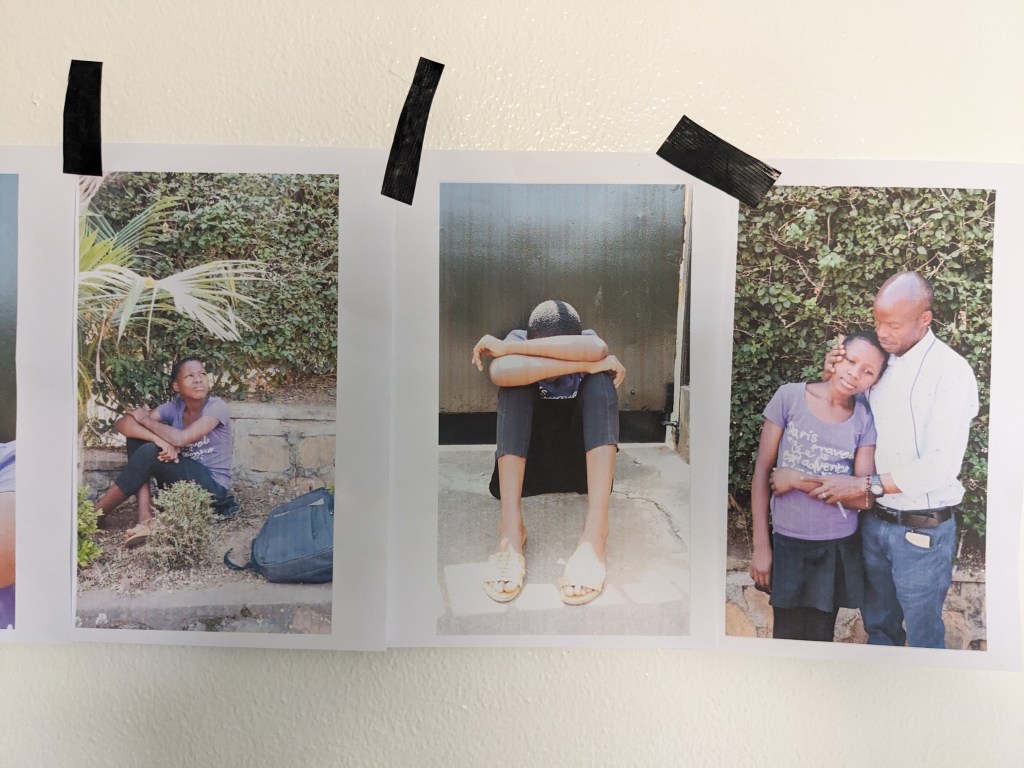
We brought together Rwandan youth from MAP clubs and film students from Kwetu Film Institute. Through creative workshops, they shared personal stories, created drawings and poems, and then developed these into short films. The films explore three key themes identified by the young people themselves:
- Mental health in the home – showing the impact of family conflict and the importance of supportive friendships.
- Mental health in education – calling on teachers to respond to struggling students with empathy rather than punishment.
- Street-connected youth – challenging stigma by showing that no child chooses life on the streets, and that every story deserves compassion.
A strong theme across all three films was the role of “the good Samaritan” – a friend, teacher, or community member whose act of kindness makes a real difference.
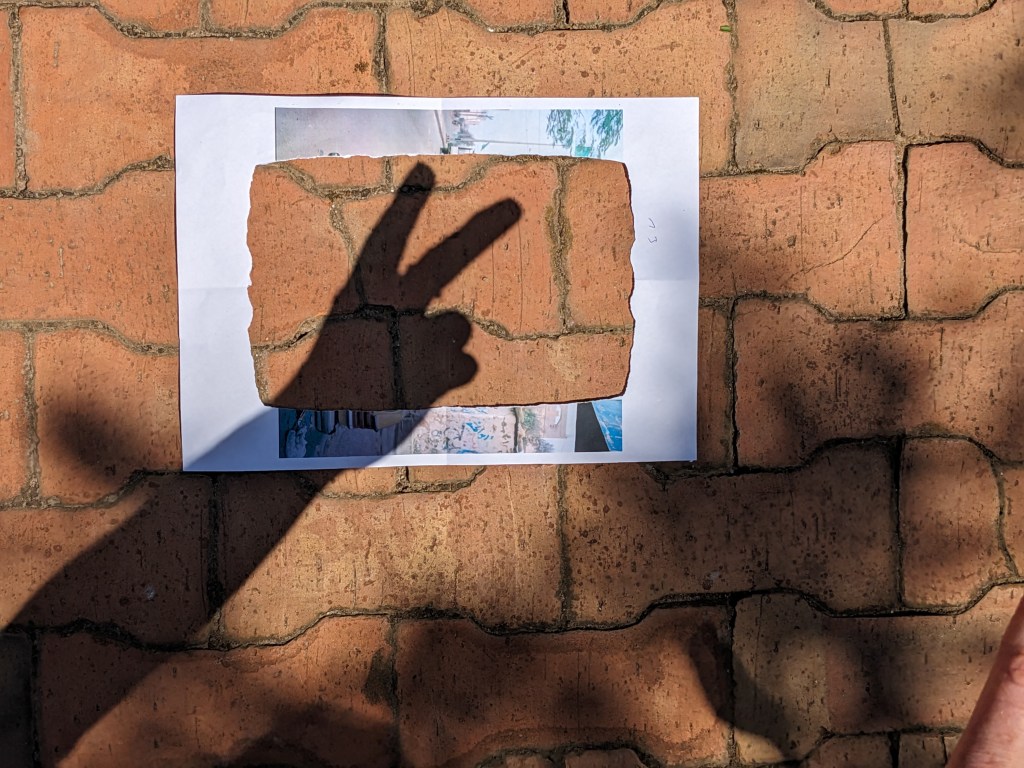
Ideation and Creative Workshops:
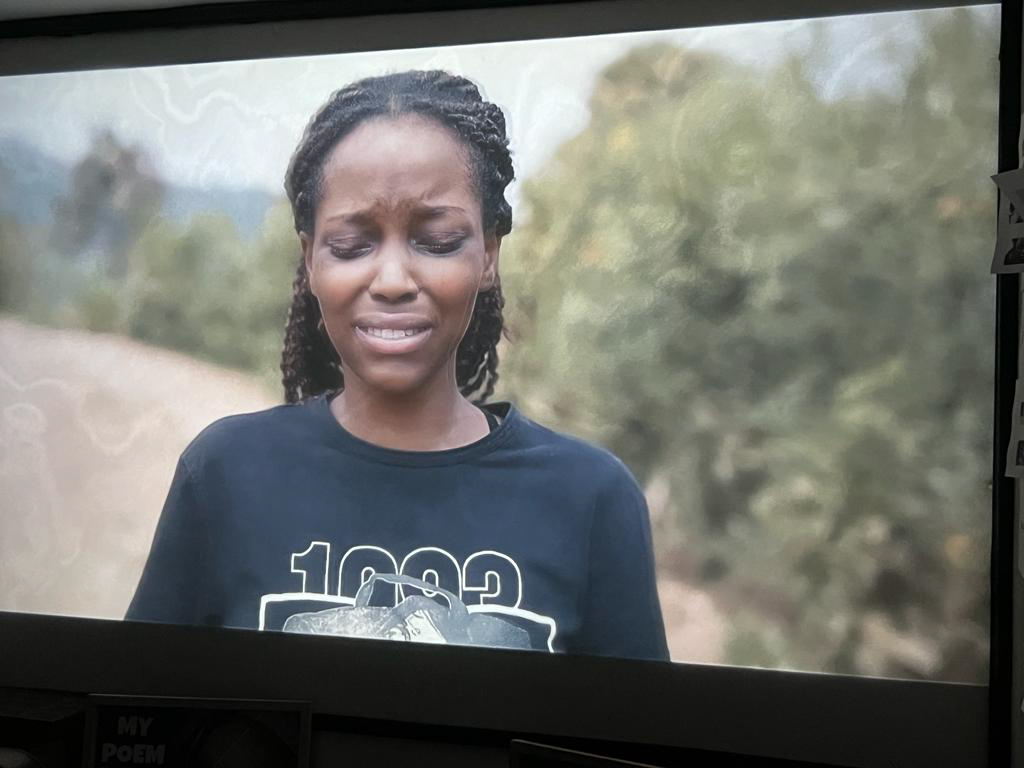
The Videos:
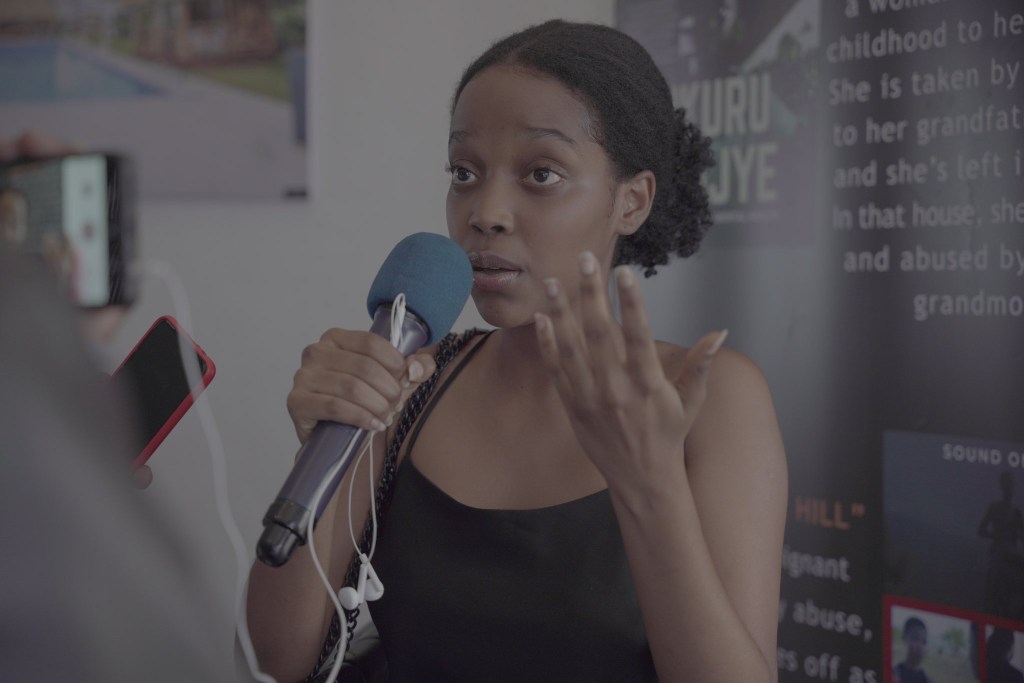
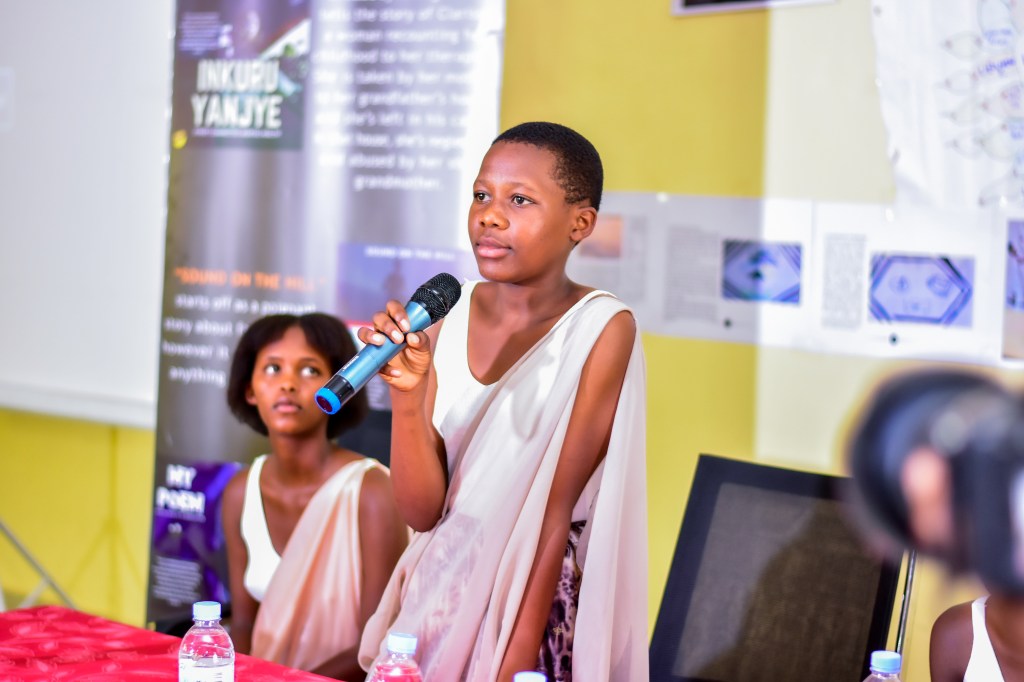
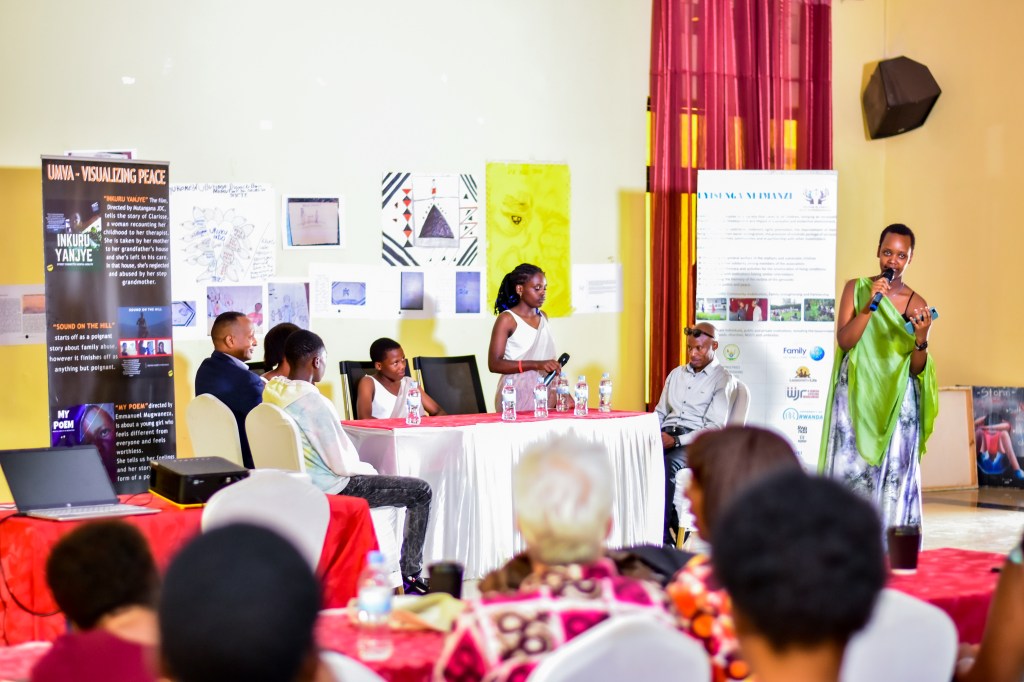
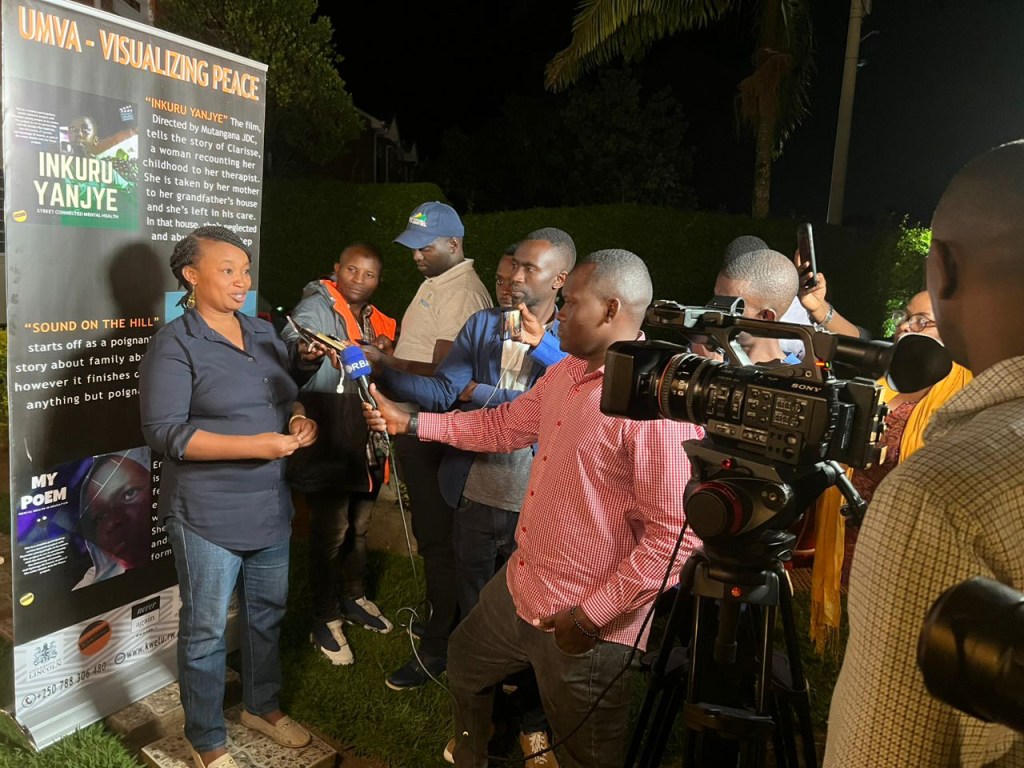
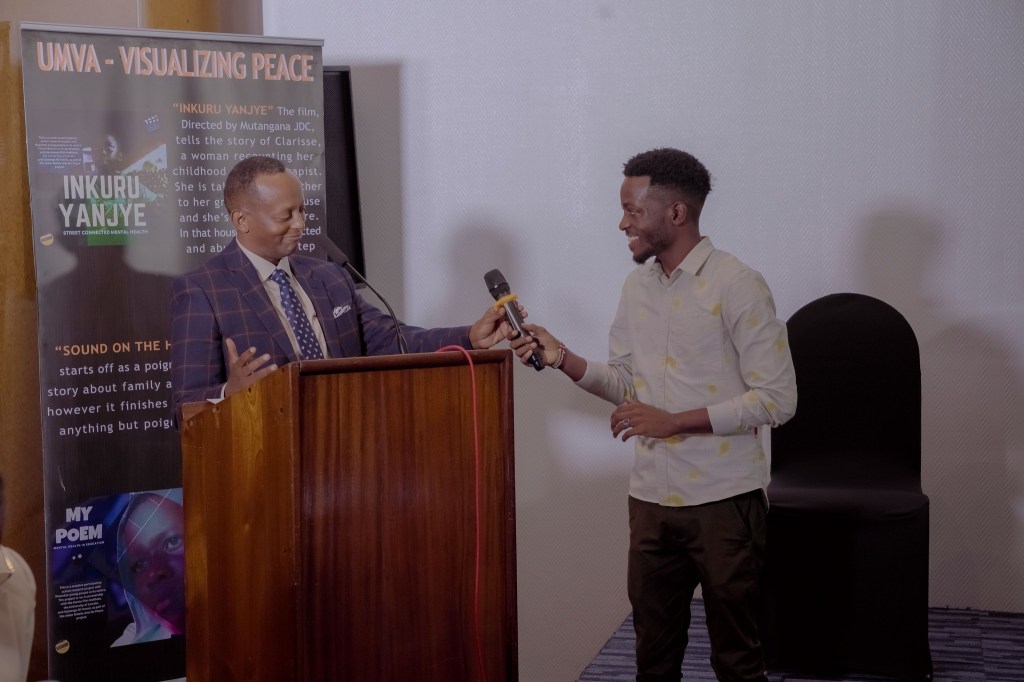
Youth-Led film screenings and symposiums:
The Impact:
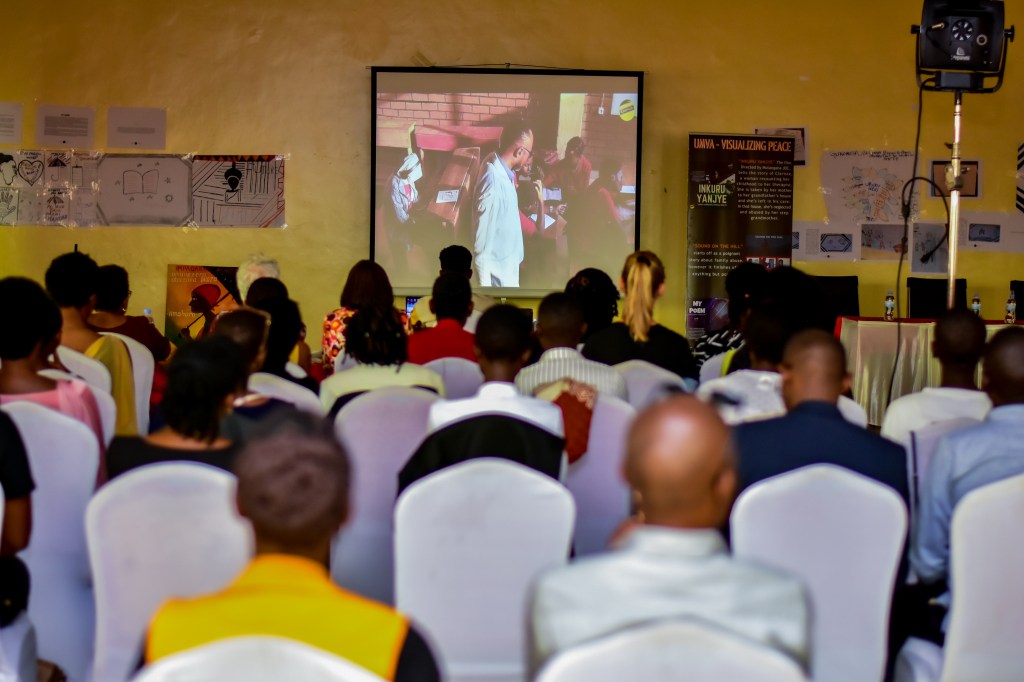
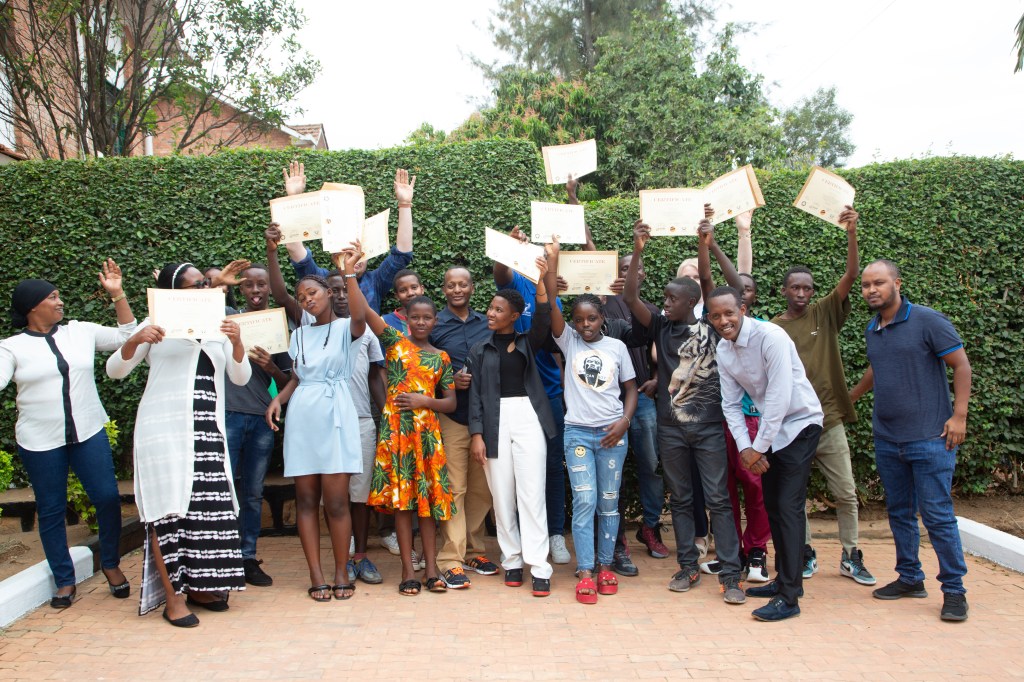
For many participants, this was the first time they had seen their own experiences represented on screen — and with dignity. This gave them confidence, pride, and new ambitions, ranging from becoming actors or filmmakers to starting social media channels or writing.
But the films are not just for the young people themselves. They have been shared with policymakers, NGOs, and community leaders in Rwanda at symposiums and roundtable events, where young people were present and active in the discussions. In this way, the project ensures that youth voices are not only expressed but also placed in direct dialogue with those who hold the power to create change.
From stories to policy change
The project has already influenced key organisations in Rwanda:
The Rwanda Biomedical Center (RBC) recognised that participatory, arts-based approaches are among the most effective ways to engage young people on mental health, and confirmed they will use these methods in their new National Youth Mental Health Strategy.
The National Child Development Agency (NCDA) described co-producing films with young people as “a good approach that needs to be supported.”
Never Again Rwanda highlighted the method’s potential to open conversations between young people and their parents.
The Rwanda Women’s Network stated they will use the films in their community programmes to spark safe and open discussions.
Key Outcomes:
3 films co-produced with Rwandan youth and Kwetu Film Institute students.
11 youth policy briefs amplified through film and storytelling.
Youth- led Roundtable events with policymakers, NGOs, and community members to directly discuss the films.
National policy impact, including amongst others a commitment from the Rwanda Biomedical Centre to use participatory arts methods in the new ‘National Youth Mental Health Strategy’
Increased youth confidence and aspirations — participants spoke about new ambitions to become actors, filmmakers, writers, and digital creators.
Strengthened advocacy for youth mental health in schools, homes, and communities.
We believe that when young people tell their own stories, they can change how society understands mental health — and help shape the policies that affect them. In Kinyarwanda, the word Nyumva means “hear me.” This project is about young people’s voices being heard, not only within their communities, but also at higher levels of decision-making.
Project Team:
Tom Martin, School of Design and Architecture, College of Arts, Social Sciences and Humanities, University of Lincoln, UK
Eric Kabera, Founder and Director, Kwetu Film Institute/Rwanda Film Institute, Rwanda
Michelle Walsh, School of Design and Architecture, College of Arts, Social Sciences and Humanities, University of Lincoln, UK
Emily Dalton, Psychotherapist, NHS Talking Therapies/University of Nottingham, UK
Dr Chaste Uwihoreye, Psychologist and Country Director, Uyisenga ni Imanzi, Rwanda
Emmanuel Kigundu, Psychologist, Uyisenga ni Imanzi, Rwanda
Links:
Mobile Arts For Peace
Kwetu Film Institute
https://www.uyisenganimanzi.org.rw/
Uyisenga Ni Imanzi –
 Martin and Martin