
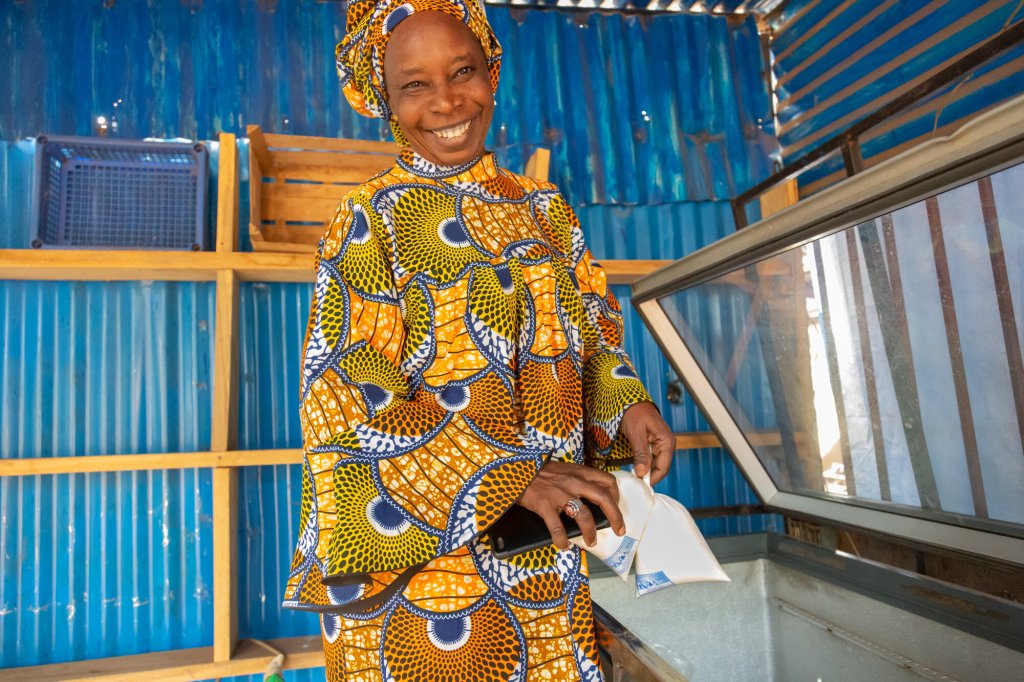
In January 2020 I visited Bamako to see first-hand the impact of imported powdered milk products on the local community. VSF Suisse has been working with local farmers, milk collection cooperatives, urban dairies and milk selling cooperatives to strengthen the production and distribution of local high-quality milk to urban communities.
Milk and dairy is an important part of Malian culture, as with many rural communities in west Africa traditional ways of living are interconnected with animal farming, data shows that this sector employs around 30% of the active population.
Despite this Mali imports vast amounts of powdered milk from abroad, this strengthens international economic imbalances, as money leaves the country to pay for a resource that could be produced locally. This also has the effect of harming local producers as they have to compete with the high volume, low price point and corporate advertising power of large multinational companies.
This has led to a suppression of the local milk production sector, milk is being produced and consumed in rural communities, but the infrastructure to transport this milk into urban centres is under-developed. As more people move to live in cities the consumption of powdered milk products is increasing.
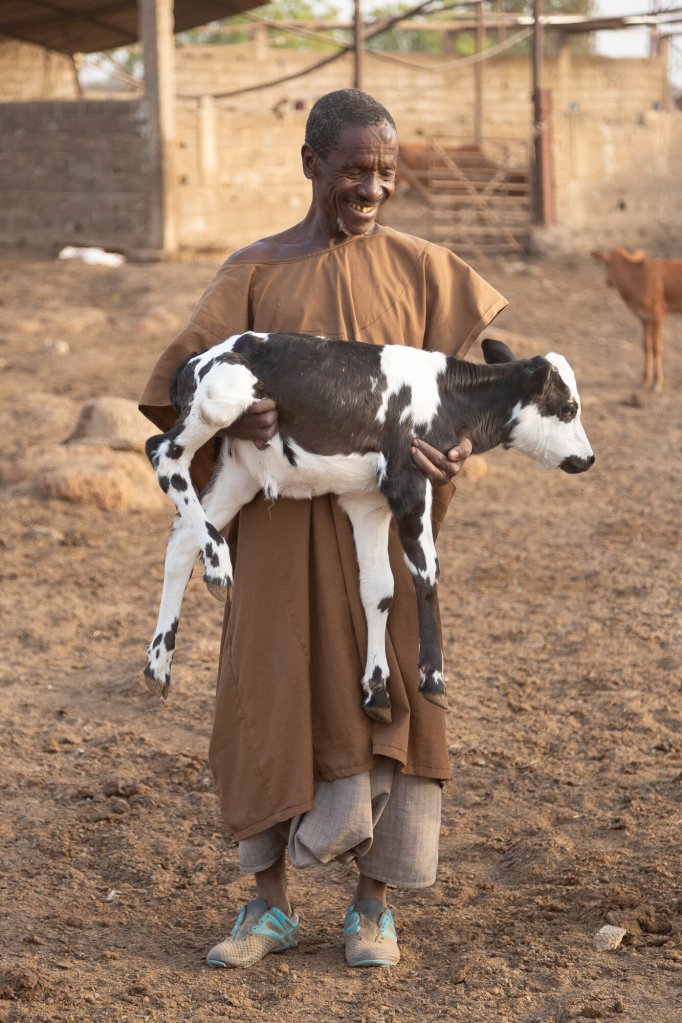
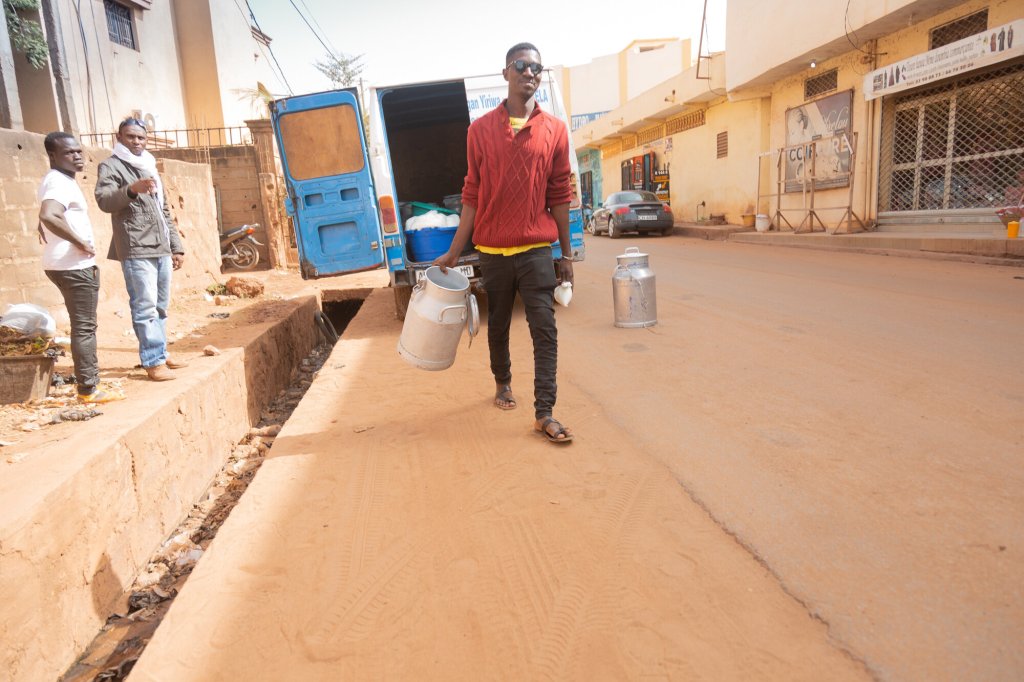
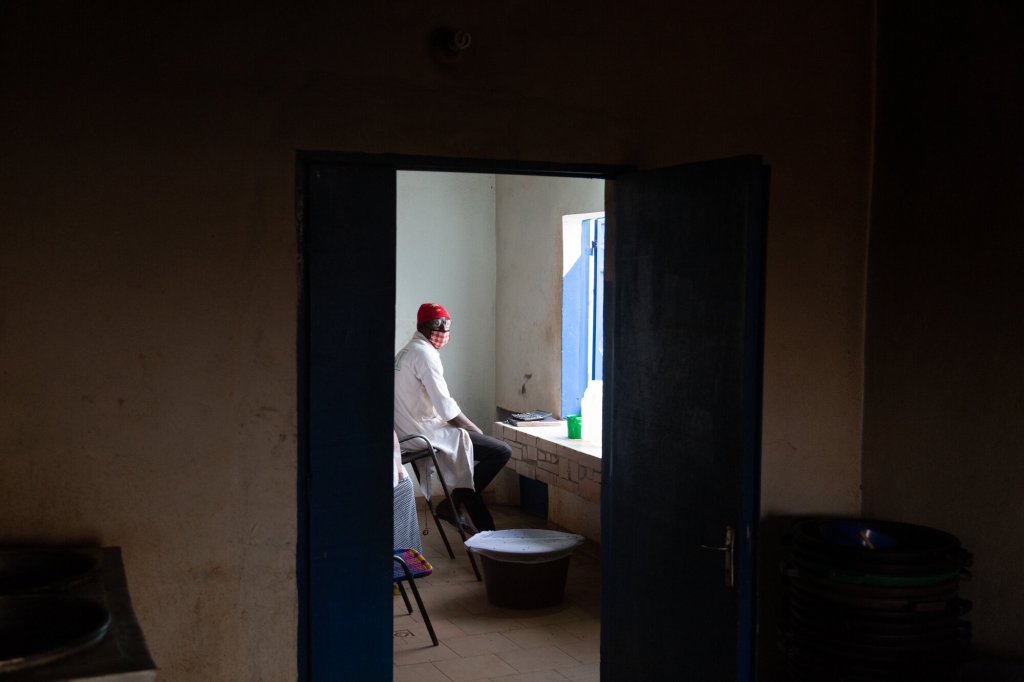
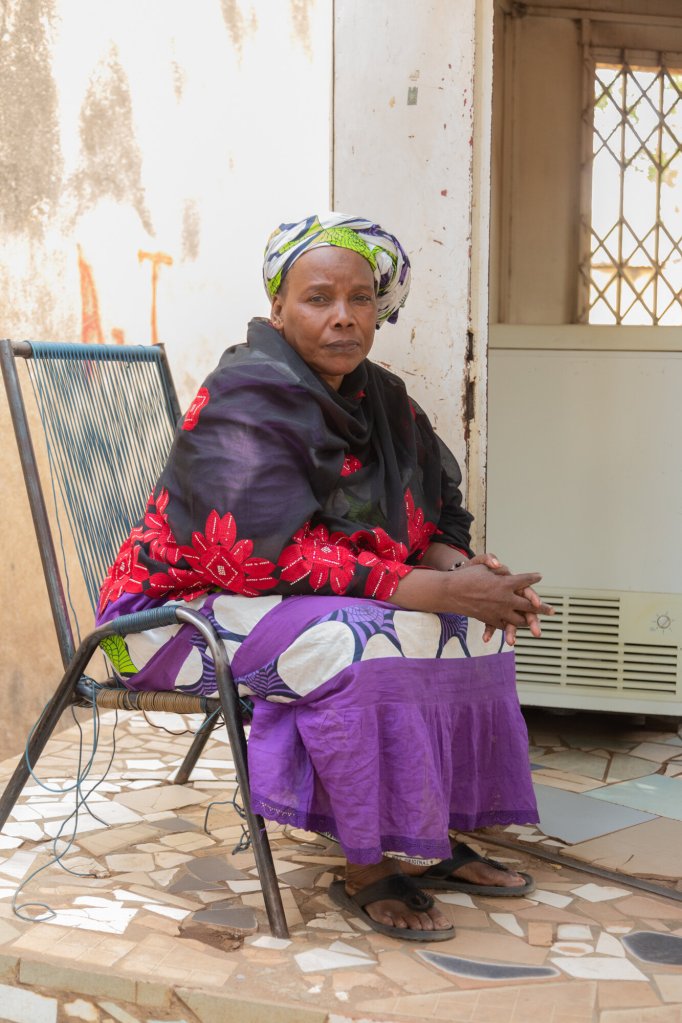
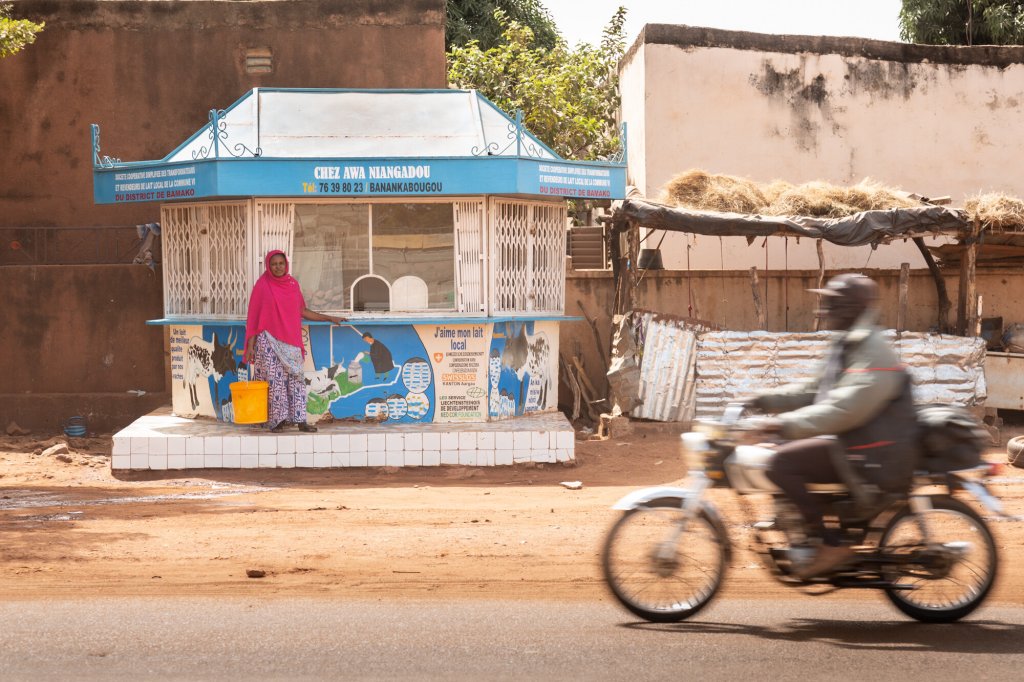
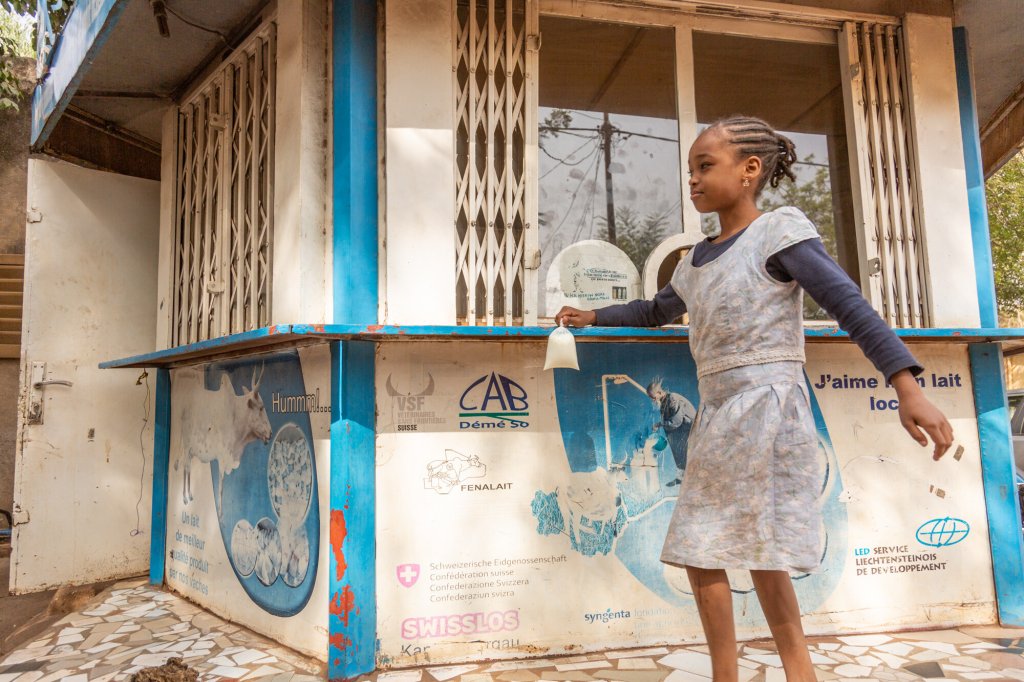
VSF Suisse have been working with milk producers and dairy cooperatives to strengthen the competitiveness of the local ‘milk value chain’ around Bamako. Their vets have been at work with local farmers to help improve the health of livestock and increase yields, dairy specialists have given support to milk collection and transportation cooperatives, to collect milk from rural areas and transport it to the city. Finance and support has been made available for urban dairies to process and market local milk products. The final link in the chain is a network of milk kiosks and cooperatives around the city that sell fresh local milk right in the heart of the community.
This has been a highly successful approach, the horizontal power structures have increased the social status and economic power of 300 women and young people involved, with increased food security for over 3000 households. There is significantly reduced environmental impact from producing milk locally, through a reduction in transportation and packaging. High quality local fresh milk is now available in communities, with increased health benefits. Finally, the money that would have been previously leaving the economy to powerful corporate organisations is now staying in the community, helping to build a sustainable future.








 Martin and Martin