
In partnership with BRAC, Saferworld has been running a community security programme in south-western Bangladesh. The programme aims to improve public security, build state legitimacy and contribute to an environment in which peace dividends can be better realised. This video introduces the programme and explains how communities are working together to address their safety and security concerns.
We were commissioned by the NGO Saferworld to produce images and video that explain the concept of community security in Bangladesh, as well as illustrating their work and partner organisation BRAC.
As part of the project Saferworld produced a traveling exhibition called ‘Communities First’, designed to impact policy around community security and peace-building. The exhibition toured Westminster, Brussels and Washington DC.
Saferworld describe the exhibition:
‘The problems facing Bangladesh, South Sudan and Yemen vary greatly, but those who live there have a common aspiration – to be free from fear and insecurity. And whether affected by corruption, political violence, disputes over land, scarcity of resources, domestic violence or any number of other issues, local communities in all three countries face a common challenge: being heard by those in power, and meaningfully included in the decisions that affect their own safety and security . . . The exhibition aims to give a visual voice to people whose daily experiences of conflict and insecurity are too often marginalised and forgotten.
The exhibition seeks to highlight not only the symptoms of insecurity easily visible on the surface, but to go further and identify the peacebuilding opportunities that must be pursued in order to foster development and lasting peace.’
For more info and the full exhibition see the link below: galleries.saferworld.org.uk/gallery/communities-first/#/gallery/communities-first/slide/introduction/

Gender-based violence, eve-teasing, dowry-related violence, rape, acid throwing, fatwas and sexual abuse are prominent forms of violence against women and girls in Bangladesh. Women are still vulnerable to security threats and unable to claim their rights.
Satkhira

Despite progress in many areas of development, Bangladesh remains on a knife edge. The election boycott by the Bangladesh Nationalist Party left the country with no credible mainstream opposition. This encouraged anti-government protests and has led to violent repercussions and radicalisation. The country continues to be marred by political stasis, locked in a cycle of systemic political violence, blockades and strikes (hartals). More than 80 people have been killed in political violence this year.
Eidgah Point, Taltola, Satkhira

Kachua, Bagerhat
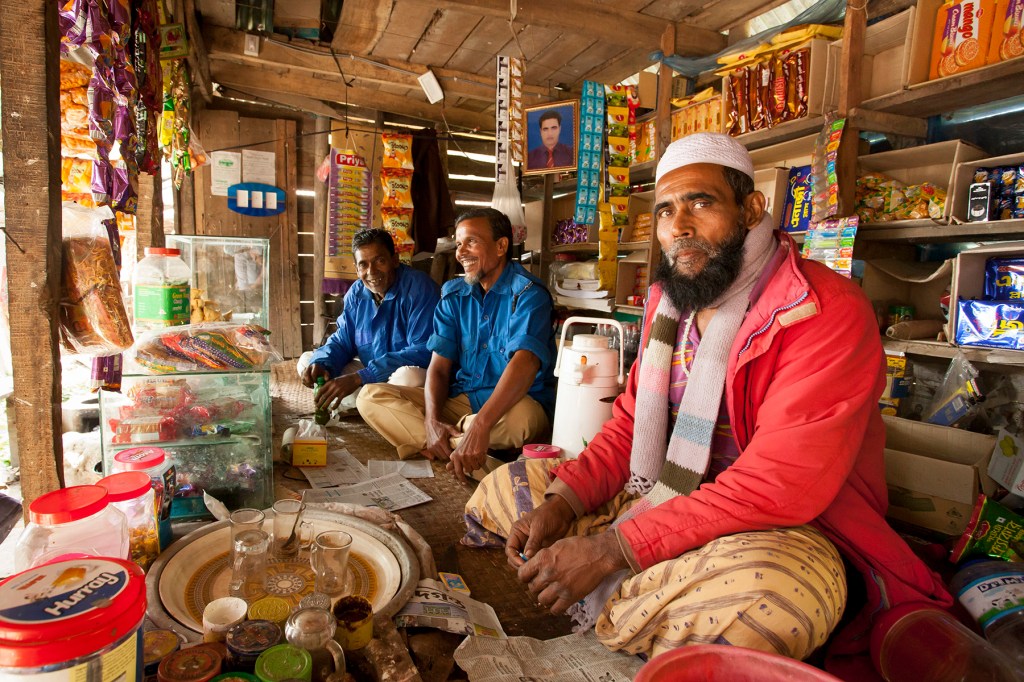
Joint forums run by the Bangladesh Police Service and the community security working groups are building links and increasing trust between them. However, access to police officers, and the accountability of police services, remains a primary concern for communities.
Kachua, Bagerhat

Kachua, Bagerhat
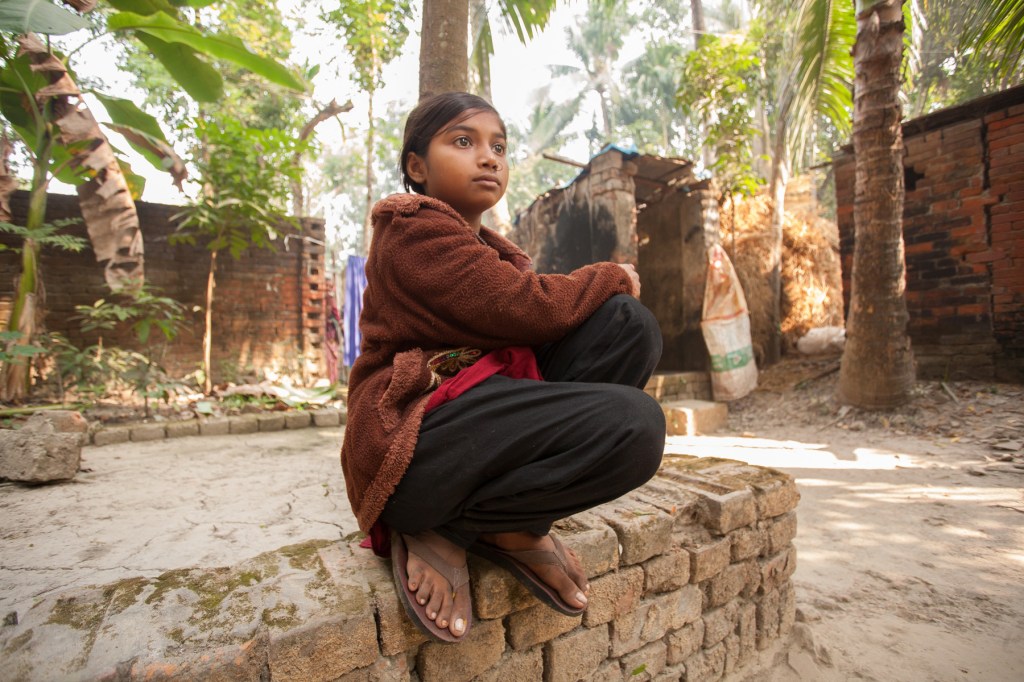
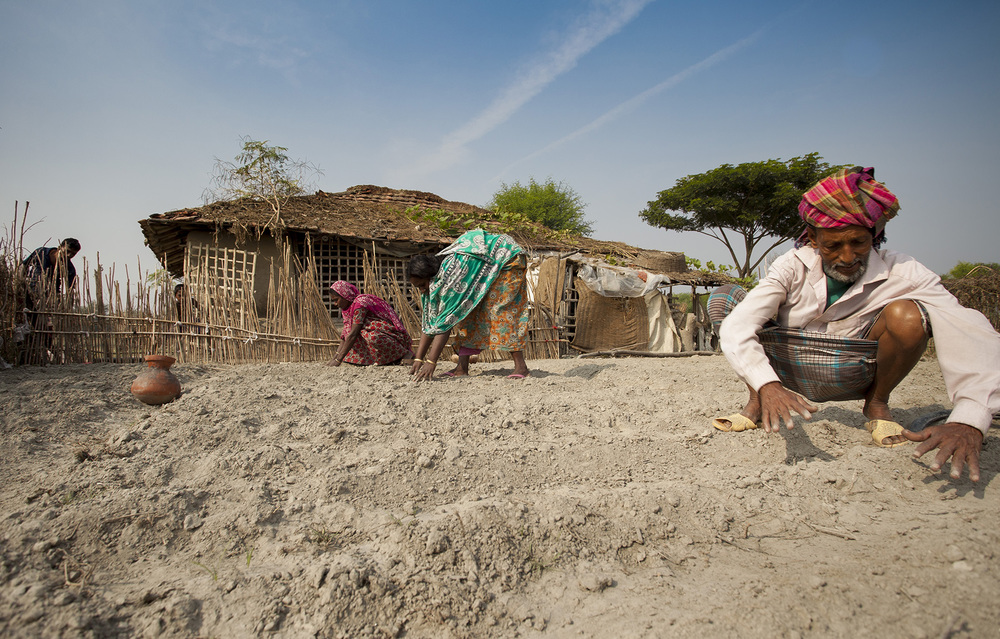
“My life is very insecure because always there is the threat that the godfather could come and tell us to leave. I have been to the government, but the godfather is linked to the water board and government so what chance do we have?”
Bankdah, Satkhira


 Martin and Martin